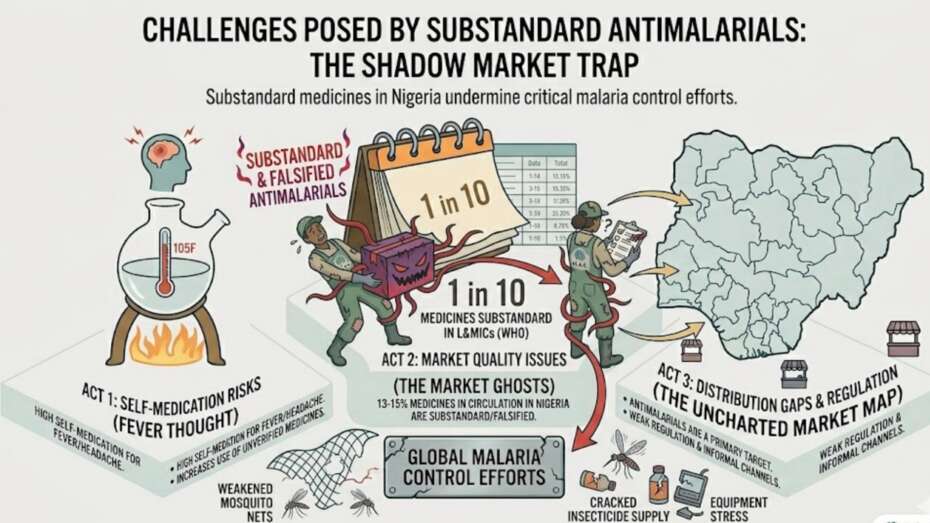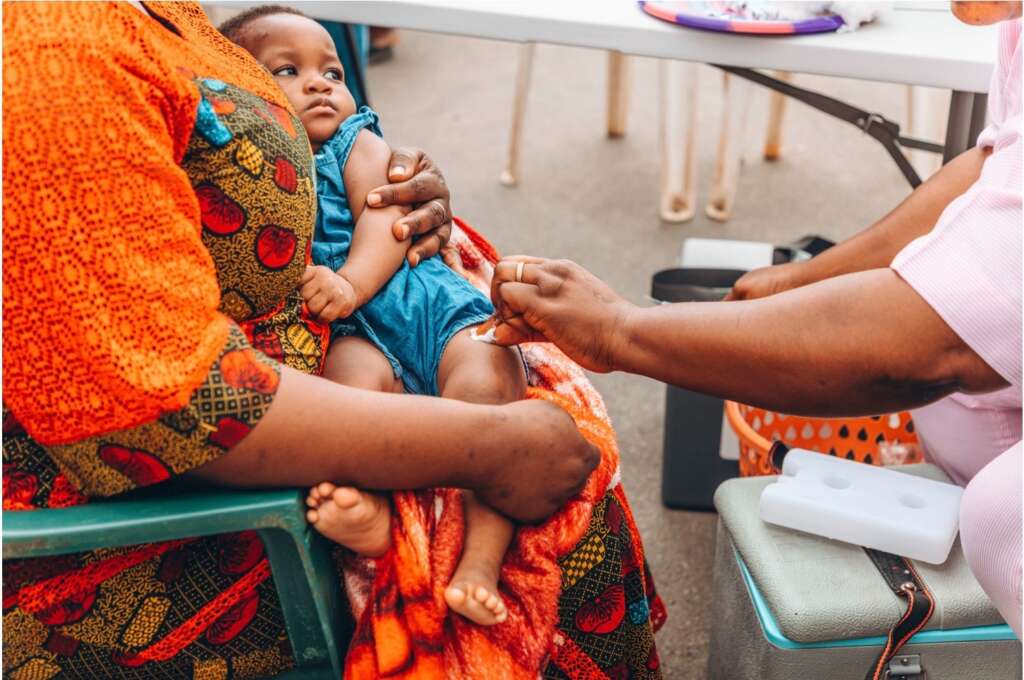
The introduction of the malaria vaccine in Nigeria marks a major shift in how the country approaches malaria control. For decades, malaria has been managed primarily through treatment, prevention tools, and public health campaigns. However, the addition of a vaccine introduces a new layer of protection.
Nigeria carries one of the highest malaria burdens globally. As a result, new interventions are critical. The rollout of the malaria vaccine is not just another health program. It represents a transition from reactive treatment to proactive prevention.
What Is the Malaria Vaccine and How Does It Work?

The malaria vaccine in Nigeria is designed to protect against the most severe form of malaria caused by Plasmodium falciparum. It works by training the immune system to recognise and respond to the parasite before it causes severe illness.
Types of Malaria Vaccines in Use
Currently, the most widely deployed vaccine in Africa is the R21/Matrix-M vaccine. It has proven highly effective in reducing severe malaria cases, especially among children.
Effectiveness of the Malaria Vaccine
Clinical studies show that the malaria vaccine can provide up to 75% protection in high-risk groups when administered correctly. This makes it a strong addition to existing malaria prevention strategies.
Dosage and Administration
The malaria vaccine is not a single-dose solution. It requires multiple doses over time to achieve full protection. Typically, children receive a series of doses starting from infancy.
This multi-dose structure means that follow-up and completion are essential for effectiveness.
Who Gets the Malaria Vaccine in Nigeria?
The rollout of the malaria vaccine in Nigeria is targeted and phased. It focuses on the groups most vulnerable to severe malaria.
Primary Target Group
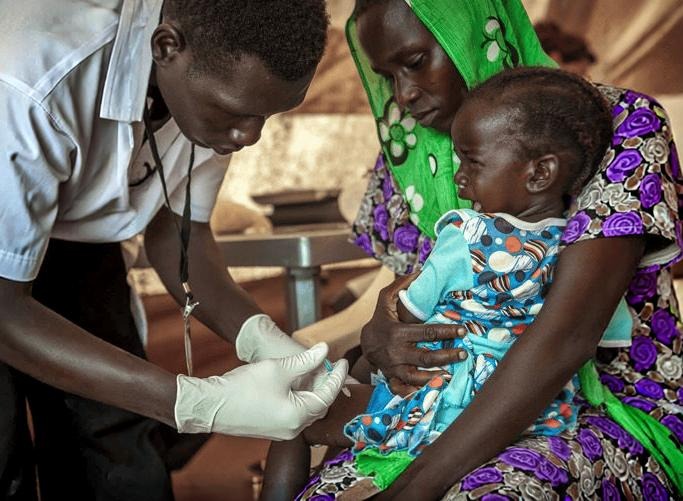
The vaccine is primarily given to children under the age of five. This group accounts for the highest number of malaria-related deaths in Nigeria.
Geographic Rollout Strategy

The vaccine is not yet available nationwide. It is being introduced in phases, starting with high-burden states. Over time, the goal is to expand coverage across more regions.
Integration Into Routine Immunisation
The malaria vaccine is being incorporated into Nigeria’s routine immunisation schedule. This ensures that eligible children can receive it alongside other vaccines.
Why the Malaria Vaccine in Nigeria Matters Now
The introduction of the malaria vaccine in Nigeria comes at a critical time. Despite ongoing interventions, malaria remains a leading cause of illness and death.
Limitations of Existing Approaches
Current strategies include insecticide-treated nets, indoor spraying, and antimalarial drugs. While these methods have reduced the number of cases, they have not eliminated malaria.
Challenges such as drug resistance, inconsistent net usage, and delayed treatment continue to limit effectiveness.
A Shift Toward Prevention
The malaria vaccine adds a preventive layer that reduces the likelihood of severe illness. Instead of waiting for an infection and then treating it, the vaccine helps reduce the risk upfront.
This shift is important for long-term malaria control.
The Role of Policy and Regional Collaboration
The success of the malaria vaccine in Nigeria depends on more than medical innovation. It also requires strong policy direction and regional cooperation.
National Malaria Strategic Plan (2026–2030)
Nigeria is developing a new national malaria strategy to strengthen prevention, improve access to care, and expand vaccine coverage. This plan will guide implementation over the next five years.
ECOWAS and Regional Elimination Efforts
Health ministers across ECOWAS countries are aligning strategies to eliminate malaria. This regional approach recognises that malaria control requires cross-border collaboration.
Local Manufacturing: A New Focus Area
One of the key discussions around the malaria vaccine in Nigeria is local production. Reducing dependence on imported vaccines can improve access and sustainability.
Why Local Manufacturing Matters
Local manufacturing can:
- Improve supply stability
- Reduce costs over time
- Strengthen national health systems
Challenges to Implementation
However, building local manufacturing capacity requires investment, infrastructure, and regulatory support. It is a long-term goal rather than an immediate solution.
Key Challenges in Malaria Vaccine Rollout
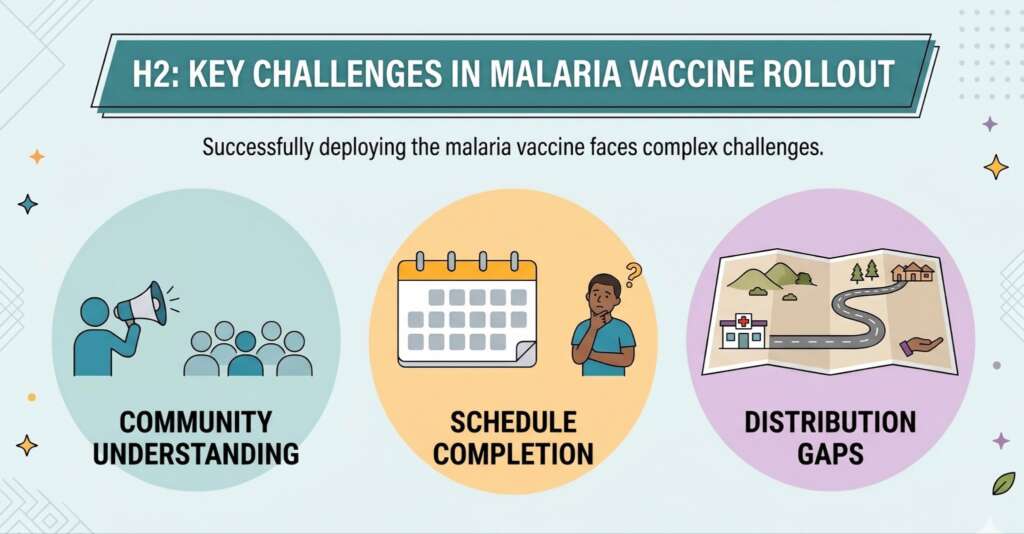
While the malaria vaccine in Nigeria offers strong potential, several challenges must be addressed.
Awareness and Public Understanding
Many communities are not yet fully aware of the vaccine. Misinformation and low awareness can affect uptake.
Completing the Full Dose Schedule
Because the vaccine requires multiple doses, some children may not complete the full schedule. This reduces effectiveness.
Access and Distribution Gaps
Reaching rural and underserved communities remains a challenge. Logistics, infrastructure, and workforce capacity all play a role.
What Comes Next for Malaria Control in Nigeria
The malaria vaccine in Nigeria is a major step forward. However, it is not a standalone solution.
Combining Interventions
The most effective approach will combine:
- Vaccination
- Use of insecticide-treated nets
- Access to treatment
- Community awareness
Strengthening Health Systems
Sustained impact will require stronger health systems. This includes better data tracking, improved service delivery, and consistent funding.
Conclusion: A Turning Point, Not the Finish Line
The introduction of the malaria vaccine in Nigeria represents a significant milestone in the fight against malaria. It brings new opportunities for prevention and improved health outcomes.
However, the vaccine alone will not eliminate malaria. Its success depends on effective implementation, strong systems, and continued investment.
What comes next will determine whether this moment becomes a turning point or just another intervention.
Frequently Asked Questions (FAQs)
What is the malaria vaccine in Nigeria?
The malaria vaccine in Nigeria is a preventive vaccine designed to protect against severe malaria, especially in young children.
Who is eligible for the malaria vaccine in Nigeria?
It is primarily given to children under five, who are most at risk of severe malaria.
How effective is the malaria vaccine?
The vaccine can provide up to 75% protection against severe malaria when all doses are completed.
Is the malaria vaccine available nationwide?
No, it is currently being rolled out in phases, starting with high-burden states.
Will the malaria vaccine eliminate malaria in Nigeria?
No, it will not eliminate malaria on its own. It must be combined with other prevention and treatment strategies.