Malaria in Nigeria remains one of the most persistent public health challenges in the country. For decades, efforts have focused on prevention, early diagnosis, and effective treatment. These strategies have led to progress. However, a critical issue is now threatening these gains.
The problem is no longer just about access to care. It is about the quality of the medicines people rely on.
Recent actions by the National Agency for Food and Drug Administration and Control (NAFDAC) highlight the scale of the issue. The agency seized counterfeit medicines worth over ₦3 billion, including millions of antimalarial doses. If these drugs had reached patients, the consequences could have been severe.
This development raises an urgent question. Can malaria in Nigeria be controlled if the medicines used for treatment are not safe or effective?
To answer this, it is important to understand how substandard medicines are affecting the system and what needs to change.
The Scale of the Problem: Substandard Medicines and Malaria in Nigeria
The presence of substandard medicines in Nigeria is not a new issue. However, its impact on malaria control is becoming more visible.
Nigeria carries one of the highest malaria burdens globally. At the same time, the pharmaceutical market faces ongoing challenges related to quality control.
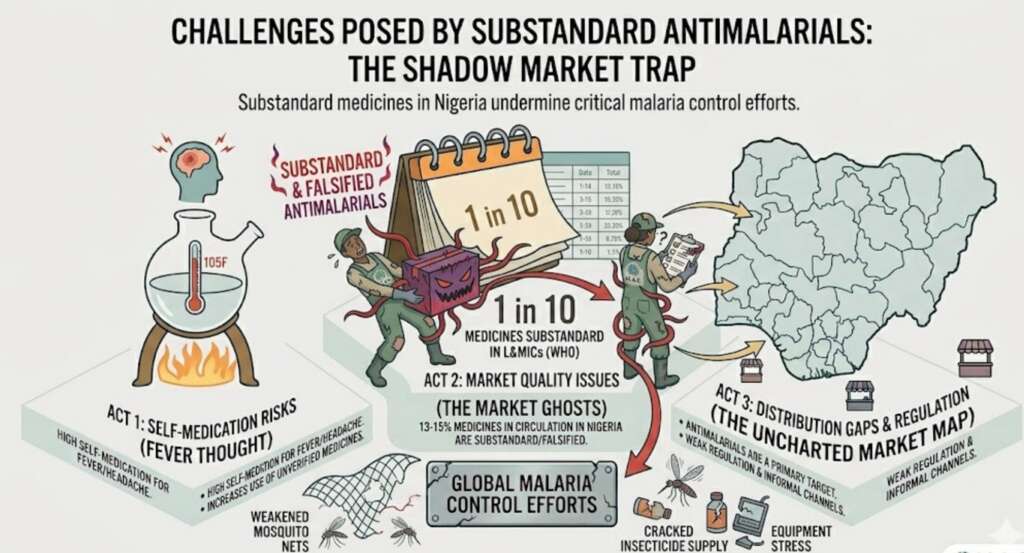
According to the World Health Organisation (WHO), about one in ten medicines in low- and middle-income countries is either substandard or falsified. In Nigeria, estimates suggest that between 13% and 15% of medicines in circulation fall into this category.
For malaria in Nigeria, this creates a high-risk situation. Antimalarial drugs are among the most commonly used medicines in the country. This makes them a primary target for counterfeit production and distribution.
At the same time, many individuals self-medicate when they experience symptoms like fever or headaches. This increases exposure to unverified medicines, further complicating the issue.
The combination of high demand, weak regulation, and informal distribution channels allows substandard medicines to remain in circulation.
Why This Matters: The Health Impact of Poor-Quality Drugs
The consequences of substandard medicines go beyond reduced effectiveness. They have direct and long-term effects on health outcomes.
When patients receive poor-quality drugs, treatment often fails. This means the infection is not properly cleared. As a result, symptoms persist or worsen.
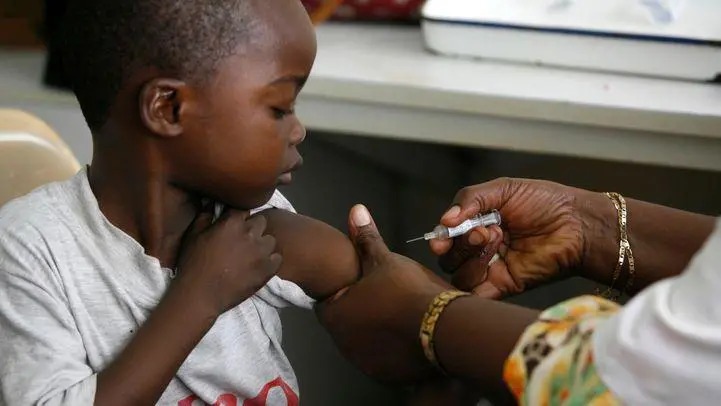
Malaria in Nigeria has serious implications. Delayed or ineffective treatment increases the risk of severe illness, especially among children under five.
Studies estimate that poor-quality antimalarial medicines contribute to over 12,000 deaths annually in Nigeria.
Across sub-Saharan Africa, the number rises to approximately 267,000 deaths each year.
In addition to mortality, there is also a financial impact. Millions of dollars are spent each year treating complications caused by ineffective medicines.
The Growing Risk of Drug Resistance
Another major concern is drug resistance. When patients receive substandard doses, the malaria parasite is exposed to treatment that is too weak to eliminate it.
Over time, this allows the parasite to adapt. This process contributes to resistance, making standard treatments less effective.
For malaria in Nigeria, this is a critical issue. Artemisinin-based combination therapies (ACTs) are currently the most effective treatment. However, resistance to artemisinin has already been observed in parts of Africa.
If this trend continues, it could reverse years of progress in malaria control.
Why Substandard Medicines Persist in Malaria in Nigeria
To address the issue, it is necessary to examine the underlying causes. Several structural challenges continue to support the circulation of poor-quality medicines.
Regulatory Limitations
While agencies like NAFDAC have strengthened their operations, enforcement remains a challenge. Monitoring a large and complex pharmaceutical market requires significant resources.
Gaps in surveillance and inspection allow counterfeit products to enter the market.
Fragmented Distribution Channels
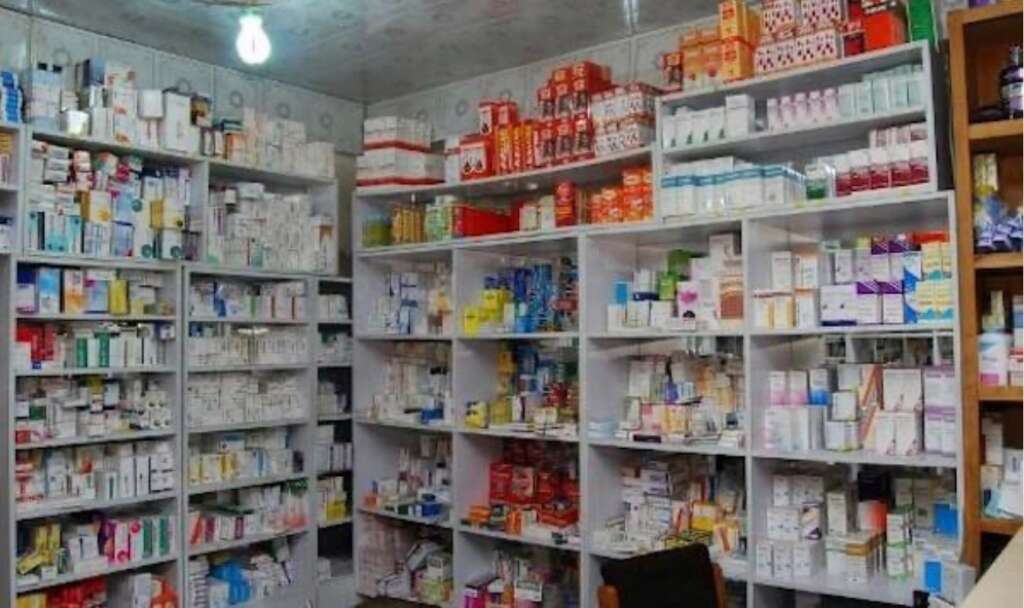
The pharmaceutical distribution system in Nigeria is not fully centralised. Open drug markets remain active and widely used.
These markets are difficult to regulate. As a result, they often become entry points for substandard medicines.
Informal Healthcare Providers
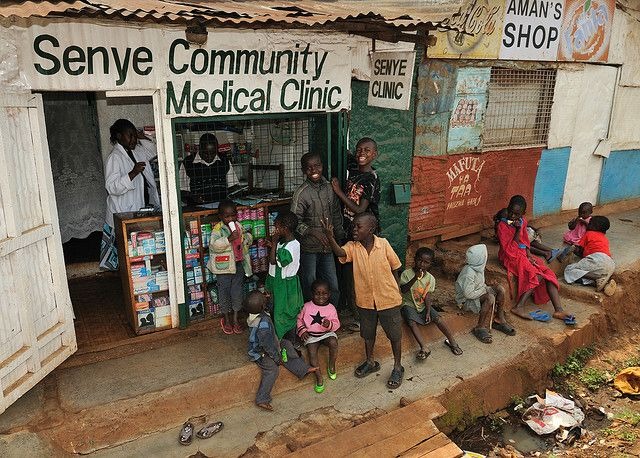
In many communities, especially in rural areas, Patent and Proprietary Medicine Vendors (PPMVs) are the first point of contact.
While they improve access to care, limited regulation means that some may unknowingly stock or sell substandard medicines.
In addition, online medicine vendors are increasing in number. Many operate without proper oversight, creating new risks for patients.
Dependence on Imported Medicines
Nigeria imports a large percentage of its pharmaceutical products.
This dependence introduces vulnerabilities in the supply chain. Counterfeit products can enter the market at various points before reaching consumers.
Weak Legal Deterrents
Penalties for producing or distributing counterfeit medicines are not strong enough to discourage the practice.
In many cases, the financial gains outweigh the risks. This allows the problem to persist.
Affordability Challenges
Healthcare costs in Nigeria are largely paid out of pocket.
This creates a situation where patients prioritise affordability. Substandard medicines are often cheaper, making them more accessible to low-income populations.
The Impact on Malaria Elimination Efforts in Nigeria
Efforts to reduce malaria in Nigeria have received strong support from both local and international stakeholders.
For example, the Global Fund has invested heavily in malaria programs, supporting prevention, diagnosis, and treatment.
However, substandard medicines undermine these investments.
When treatment fails, patients remain infectious. This allows malaria transmission to continue within communities.
In addition, repeated treatment increases healthcare costs and places additional pressure on health systems.
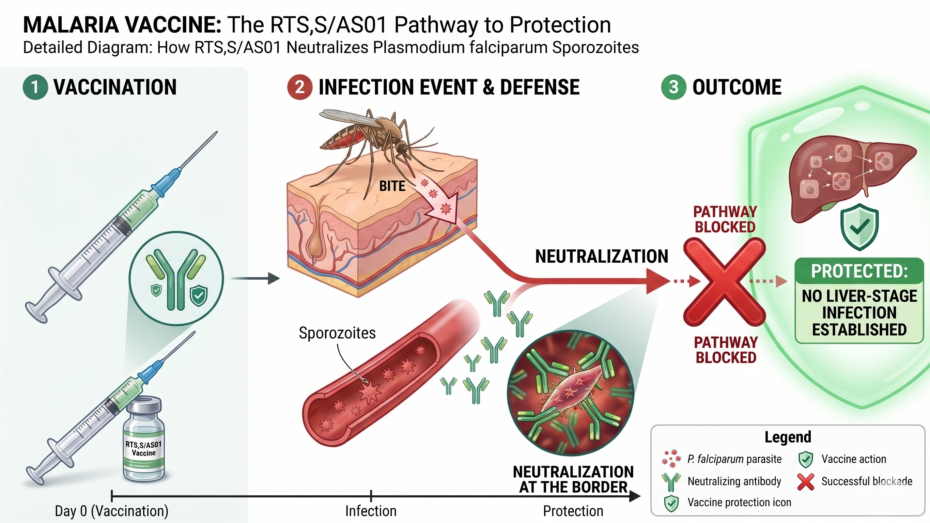
Even new interventions, such as vaccines, may not reach their full potential if treatment quality remains poor.
What Needs to Change to Address Malaria in Nigeria
To strengthen malaria control, Nigeria must adopt a more comprehensive approach. Addressing access alone is not enough. Quality must also be prioritised.
Expanding Local Pharmaceutical Manufacturing
Local production can reduce reliance on imports. It also allows for better quality control and supply chain management.
Government incentives and investments will be essential to support this shift.
Strengthening Regulatory Systems
Regulatory agencies need enhanced capacity. This includes better monitoring systems, improved data tracking, and stronger enforcement mechanisms.
Technologies such as mobile authentication systems can help patients verify the authenticity of medicines before use.
Enforcing Stronger Legal Penalties
Stronger penalties can act as a deterrent. Individuals involved in counterfeit drug production and distribution must face significant consequences.
Increasing Public Awareness
Public education is critical. Patients need to understand the risks of substandard medicines and how to identify safe options.
Awareness campaigns can help reduce demand for counterfeit drugs.
Improving Access to Quality Healthcare
Strengthening healthcare systems will reduce reliance on informal providers. This will help ensure that patients receive verified and effective treatment.
Conclusion: Malaria in Nigeria Requires a Stronger Focus on Quality
The fight against malaria in Nigeria has made progress, but significant challenges remain.
Substandard medicines continue to undermine treatment outcomes and threaten public health. If left unaddressed, they will slow progress toward malaria elimination.
To move forward, Nigeria must strengthen its pharmaceutical systems, enforce regulations, and invest in long-term solutions.
Ending malaria is possible. However, success will depend not only on access but also on the quality of care and treatment.
Frequently Asked Questions (FAQs)
Why is malaria in Nigeria still a major problem?
Malaria in Nigeria remains a major problem due to high transmission rates, limited access to quality healthcare, and environmental factors that support mosquito breeding. In addition, gaps in prevention, delayed treatment, and the circulation of substandard medicines continue to increase the burden across many communities.
H3: How do substandard medicines affect malaria treatment in Nigeria?
Substandard medicines reduce the effectiveness of treatment for malaria in Nigeria. When patients use poor-quality drugs, infections are not fully treated. This can lead to prolonged illness, complications, and even death. It also increases the risk of drug resistance, making future treatment less effective.
What are the signs of fake or substandard malaria drugs?
Fake malaria drugs may have poor packaging, incorrect labelling, or no verification code. In the context of malaria in Nigeria, patients should check for NAFDAC registration numbers and use authentication tools where available. Drugs that do not improve symptoms after proper use may also be substandard.
What is Nigeria doing to effectively control malaria?
To reduce malaria in Nigeria, the government and partners are implementing strategies such as insecticide-treated nets, improved diagnosis, access to effective treatment, and the rollout of vaccines. Efforts are also focused on strengthening regulations to reduce the circulation of substandard medicines.
Can malaria in Nigeria be eliminated completely?
Eliminating malaria in Nigeria is possible but requires sustained effort. This includes combining prevention methods, improving access to healthcare, ensuring the quality of medicines, and increasing public awareness. Long-term success will depend on strong policies, funding, and community participation.